RF14mm F1.4 L VCM Developer Interview
Aiming to provide the ultimate in starscape photography
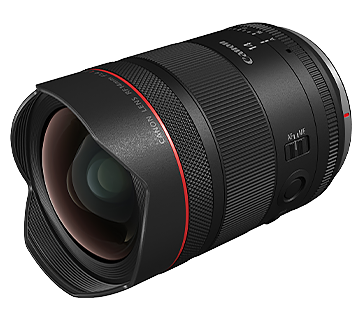
RF14mm F1.4 L VCM
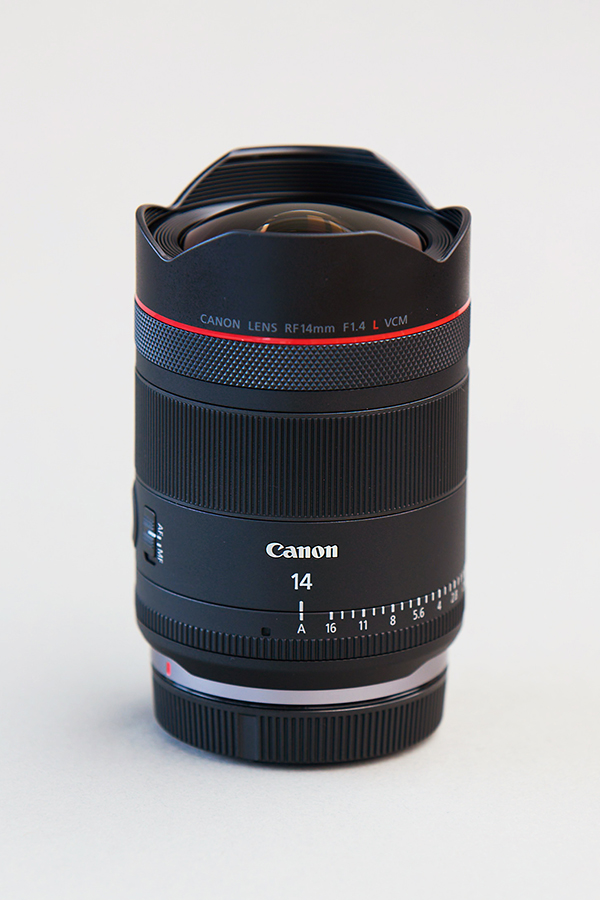
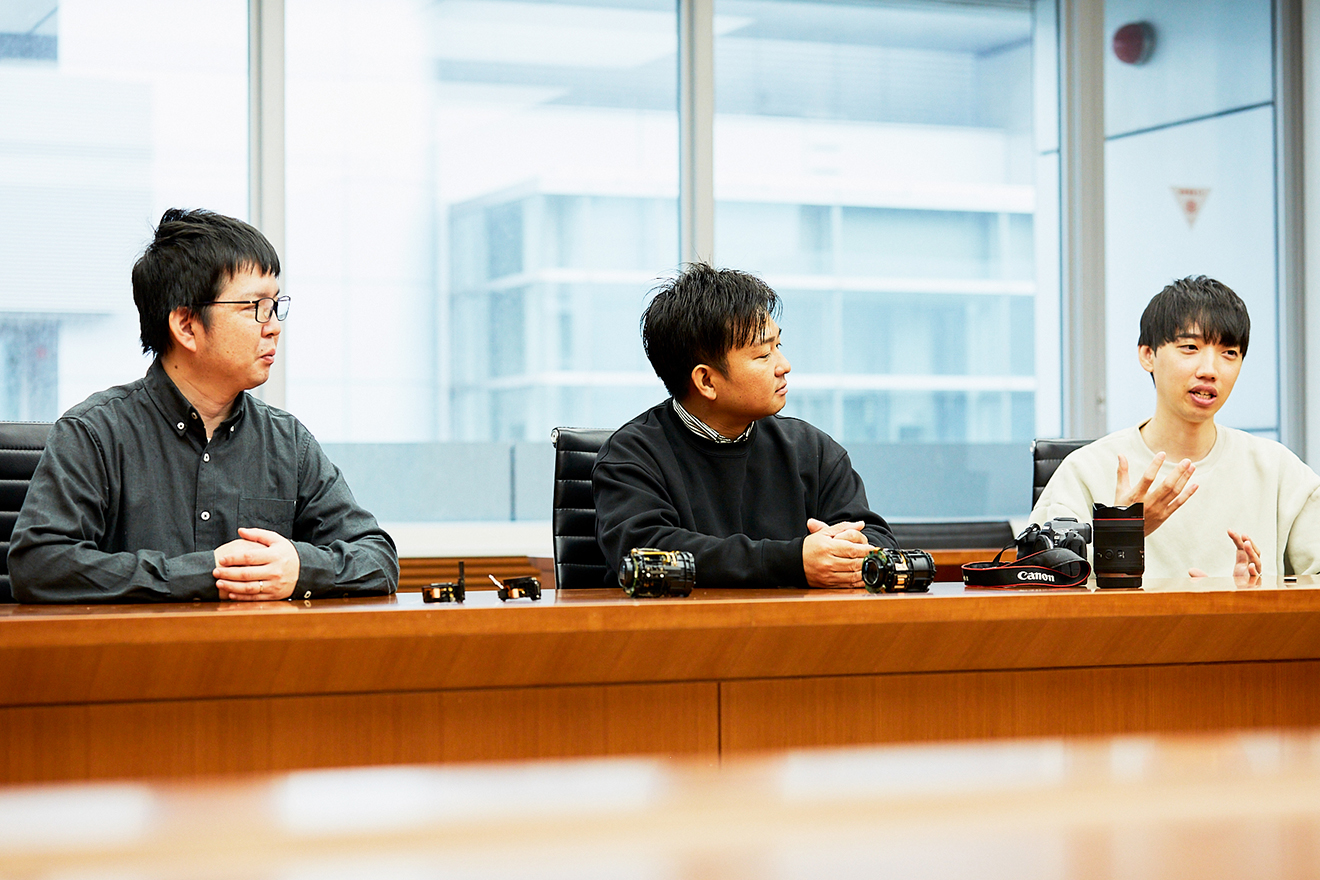
Despite its large aperture and ultra-wide-angle design, the RF14mm F1.4 L VCM is surprisingly compact in size. Its wide field of view and brightness are critical factors that make it ideal for “starscape photography” — photos that capture both the starry sky and the landscape beneath. We interviewed three members of the Canon team that developed this lens, to discuss the vision behind this significant innovation.
Tatsuro WATANABE
Optics Technology R&D Center
(In charge of optical design)
Naoki SAITO
IMG Optical Products
Development Center
(In charge of electrical design)
Nobuyuki NAGAOKA
IMG Optical Products
Development Center"
(In charge of mechanical design)
Large aperture and ultra-wide angle with compact size
Could you explain the concept behind the RF14mm F1.4 L VCM lens?
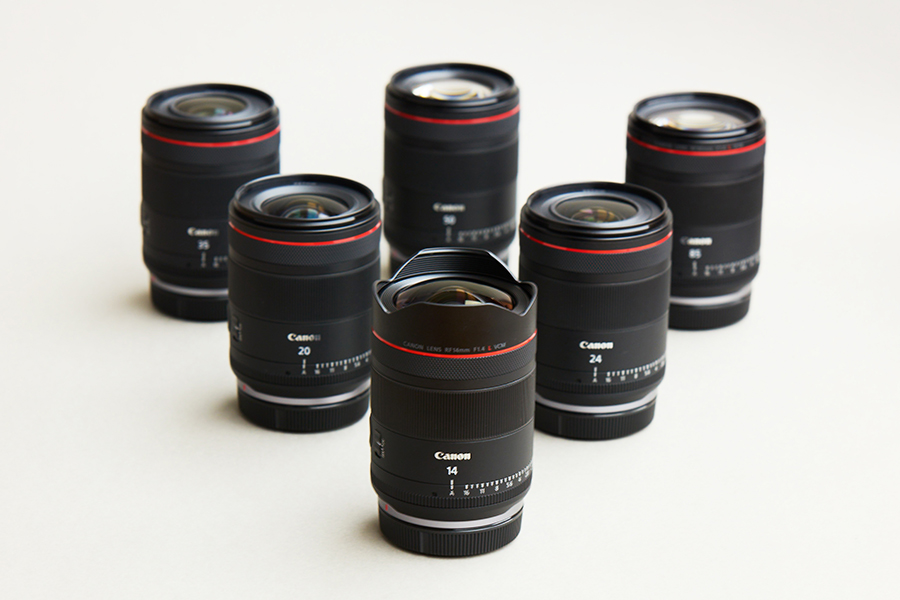
Saito: This lens is the sixth model in the RF Prime F1.4 L lens. This entire series aims to deliver exceptional image quality even at its maximum aperture of f/1.4. Canon has already introduced five lenses with focal lengths of 20mm, 24mm, 35mm, 50mm, and 85mm. All lenses share the same barrel size and operational layout. The RF14mm F1.4 L VCM is the newest in this series — an ultra-wide-angle lens with a field of view wider than that of the 20mm model. This lens adopts a brand-new optical design that makes it highly compact in size, and delivers results that will entirely alter the existing public perception of large-aperture, ultra-wide-angle
lenses.
What kind of subjects or shooting situations is this lens best suited for?
Watanabe: We developed the lens with a strong focus on its potential use in “starscape photography” — a genre that demands an ultra-wide-angle lens and an aperture of f/1.4. Starscape photography requires a bright, ultra-wide-angle lens with a focal length around 14mm, in order to effectively capture both the starry sky and terrestrial subjects in a single landscape photo. This allows for the shortest possible exposure time, ensuring that the stars appear as sharp, distinct points of light.
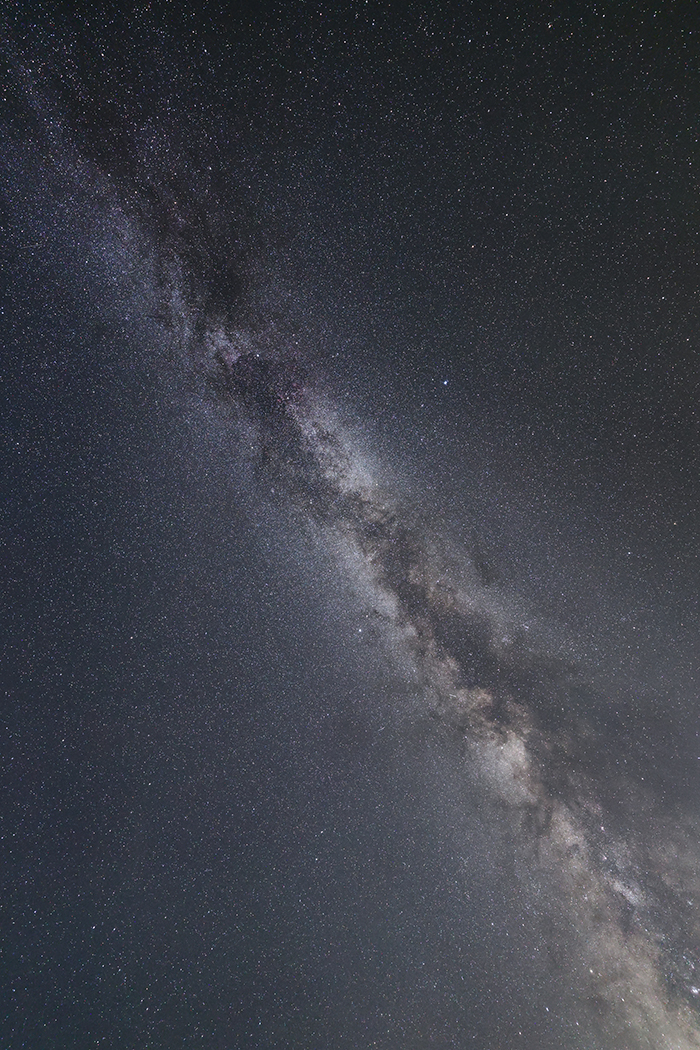
EOS R5 • RF14mm F1.4 L VCM • ISO3200 • 15s • f/1.4
Image adjustment made through Digital Photo Professional
Are there any ultra-wide-angle lenses with brighter apertures than f/2.8?
Watanabe: Canon previously offered the EF 14mm f/2.8L II USM for its EOS DSLR cameras. Compared to this model, the RF14mm F1.4L VCM is actually lighter in weight, yet its maximum aperture is two stops brighter. Canon’s shift to mirrorless camera designs and the adoption of the RF mount have allowed us to develop lenses that are smaller and lighter than ever.
What was the secret to making a bright, ultra-wide-angle lens this compact?
Watanabe: The optical designs of RF interchangeable lenses for the EOS R system have a large-diameter mount and a short back focus, which allows larger-aperture lens elements to be located closer to the imaging plane than conventional EF lenses. This has allowed Canon to develop bright, ultra-wide-angle lenses like the RF14mm F1.4 L VCM. Technically speaking, the long back focus of SLR lenses made it difficult to design a compact ultra-wide-angle lens with an aperture brighter than f/2.8.
How did the use of a new actuator help to reduce the size of the lens body?
Saito: While the introduction of the RF mount allows for greater flexibility in the optical design of lenses, the use of a VCM (Voice Coil Motor) focus actuator — common to all of the lenses in the RF single-focus F1.4 L lens — serves to greatly reduce the size and weight of these lenses. Previously, the only option for driving a heavy group of lens elements like the ones used in this RF14mm F1.4L VCM was a ring-type USM. Since the diameter of ring-type motor also determines the minimum lens diameter, it is very difficult to design a more compact lens around this motor technology.
Nagaoka: From a mechanical standpoint, the ring-type USM also requires a larger supporting structure. While this isn’t an issue for large telephoto-type lenses, it becomes a major obstacle when trying to reduce lens size at the shorter end. By contrast, a VCM increases the design freedom for lenses, by reducing the size and weight of the unit while still offering the high thrust needed to move the focal lens groups.
Saito: While VCMs offer excellent performance, they also have disadvantages. Since VCMs generate a magnetic field, they can be a source of electronic noise. The focal lens group — driven by the VCM — is located within the rear group of lens elements, resulting in a shorter distance to the camera’s CMOS sensor. Therefore, it is necessary to build in features that counter magnetic fields, such as noise-reduction filter circuits, and to optimize component placement so that the magnetism will not have any impact on captured images.

Focus lens unit driven by VCM
High image quality is achieved by harnessing the full power of Canon’s optical technology
What aspects did you focus on, in the optical design?
Watanabe: High optical performance is essential when taking any sort of astronomical photos, and that includes “starscape photography”. Stars are bright points of light scattered across the entire sky. Wide-angle lenses with short focal lengths will often experience types of aberration that cause image distortion at the edges of the picture. To capture stars as crisp, sharp points, the lens design must improve image quality in the peripheral areas.
The RF14mm F1.4 L VCM features two glass-molded (GMo) aspherical lens elements placed at the front, and one GMo element in the rear focusing lens group. These aspherical lenses reduce sagittal flare to deliver high quality pinpoint images in the periphery, even with a fully open aperture. The frontmost GMo aspherical lens has a large diameter, making it difficult to process, at the factory level. However, by working closely with our production facilities, we systematically addressed each of the manufacturing challenges for this lens, one by one.
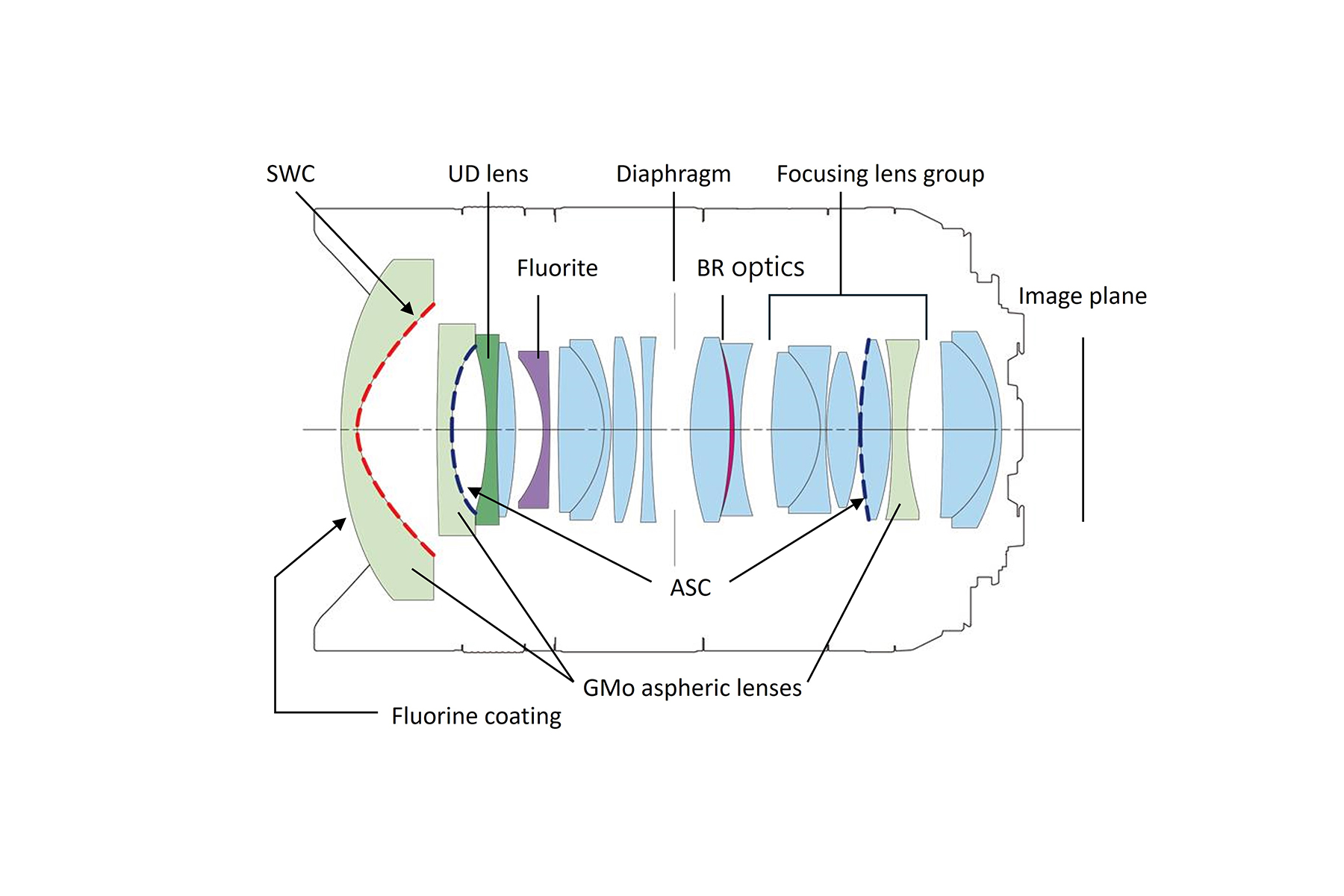
RF14mm F1.4 L VCM Lens Diagram
Is it rare to use fluorite in ultra-wide-angle lenses?
Watanabe: When photographing stars with a conventional lens, they sometimes suffer from a purple “bleeding” discoloration. To correct this chromatic aberration, we used one fluorite lens and one UD lens. This makes the lens far superior at correcting chromatic aberration.
The most common use of fluorite is in telephoto-type lenses, as a convex element. However, the RF14mm F1.4 L VCM uses a concave fluorite lens element. The lens shape differs because it serves a different purpose, due to the aberrations that need to be corrected. Aberrations occur in the peripheral areas of ultra-wide-angle lenses because the focal point for each wavelength of light differs slightly (magnification chromatic aberration). This is one of the causes of color bleeding. The use of fluorite lenses can effectively correct magnification chromatic aberration.
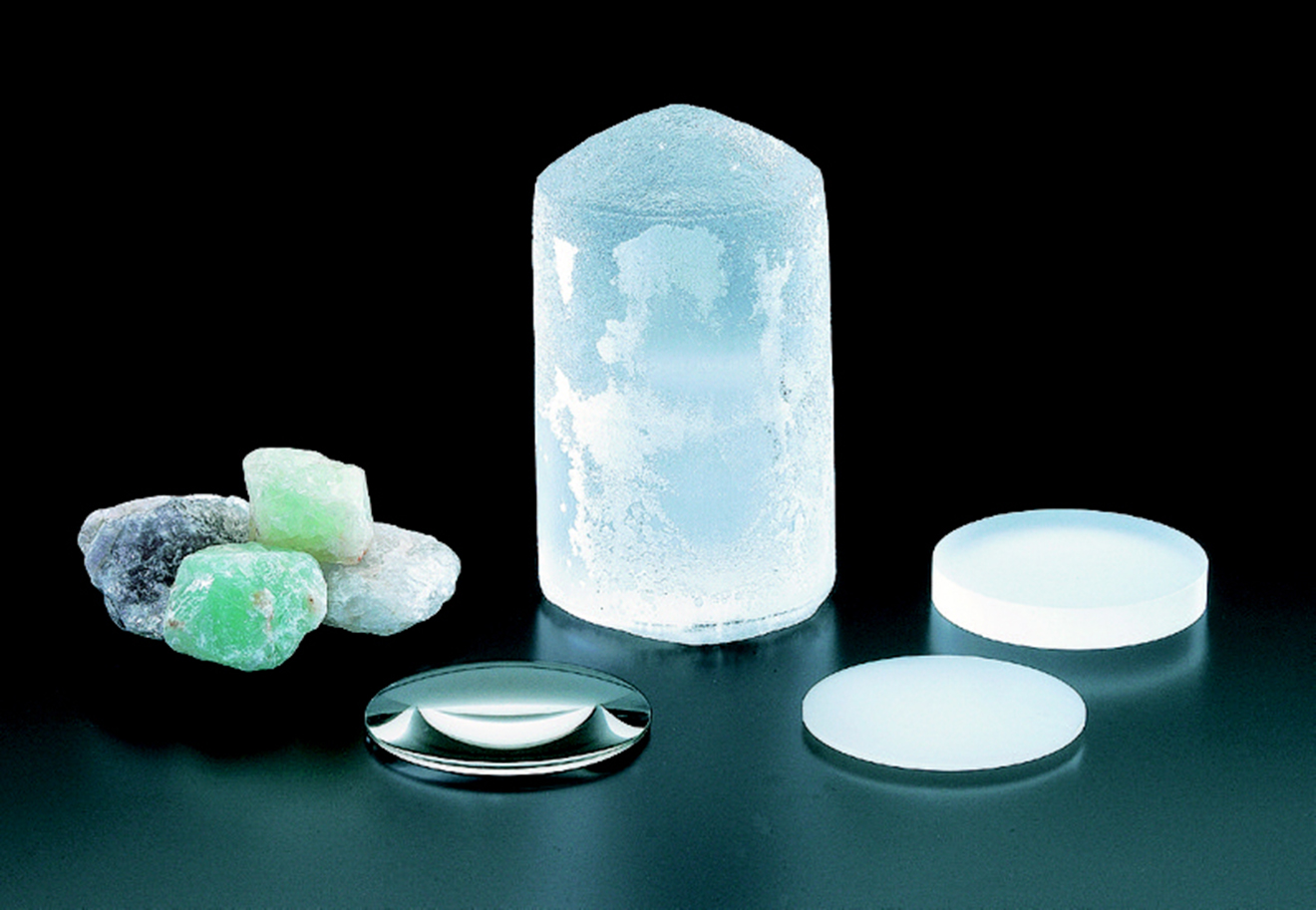
Raw fluorite crystals, artificial fluorite crystals and fluorite lenses
What are BR optical elements?
Watanabe: A BR optical element is formed by the combination of a convex and a concave lens element, positioned near the center of the lens, just behind the aperture blades. This serves the purpose of significantly refracting the shorter wavelengths (blue range) of light, thereby minimizing chromatic aberration coming from pinpoint light sources at the center of the image.
This BR optical element is made of resin, and is molded into shape. Like a bonded lens, it is sandwiched between front and rear optical lenses and bonded together with adhesive.
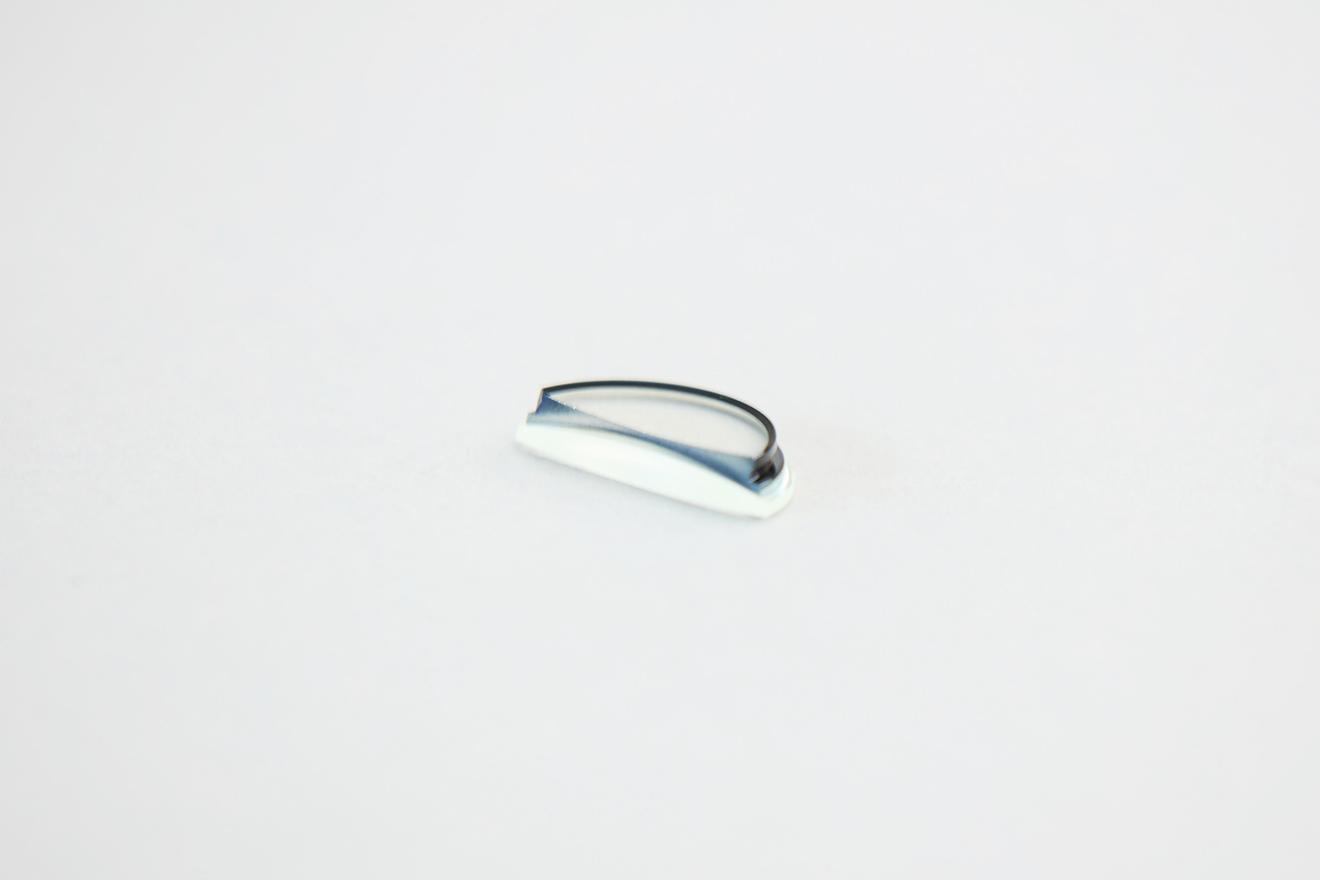
BR optical elements (cross-section of model)

How does this lens suppress flare and ghosting?
Watanabe: Ultra-wide-angle lenses often feature a large, protruding front element that allows light to enter from various angles. In some cases, integrated lens hoods and standard lens coatings may not fully prevent the occurrence of flare and ghosting. For this reason, we applied a Subwavelength Structure Coating (SWC) and Air Sphere Coating (ASC) to the surfaces of the lenses most affected by reflection.
SWC is a particularly advanced technology characterized by its effectiveness at significantly reducing reflection from light entering the lens at an oblique angle. This special coating forms nanometer-scale structures on the lens surface, resulting in a tremendous anti-reflective effect.
ASC, meanwhile, is coating that can help reduce the reflection of vertically incident light on the lens surface. It forms a film containing air on the lens surface. By incorporating air — which has a lower refractive index than optical glass — into the coating at a specific ratio, it creates a film with an ultra-low refractive index.
The RF14mm F1.4 L VCM features a rich lens configuration including GMo aspherical lens elements, fluorite material for chromatic aberration correction, UD lenses, and BR optical elements, along with advanced coating techniques. This is a particularly special lens which is replete with Canon’s powerful optical technologies.
Compact and lightweight lens design is as important as imaging performance

Why is the design of this lens based on the assumption that it will utilize electronic distortion correction?
Watanabe: Distortion aberration can be corrected through optical design alone, but that results in larger, heavier lenses. The drawbacks of increased size cancel out the benefits of improved image quality. Therefore, we decided to choose a design that emphasizes higher image quality, and addresses the issue of distortion correction with other, non-optical measures that are built into the camera.
As a result, we achieved optical performance that is equivalent to lenses that eliminate distortion using optical methods, yet also managed to reduce size and weight. This lens design is only possible because Canon manufactures its own lenses, and can develop lenses that work in tandem with the camera.
We believe that making lenses compact and lightweight is, in some cases, more important than demanding perfect optical performance from the lens itself. No matter how optically superior a lens can be, photographers are not likely to use it if it is too large and heavy. I think that lenses should be compact enough to be carried anywhere, anytime.
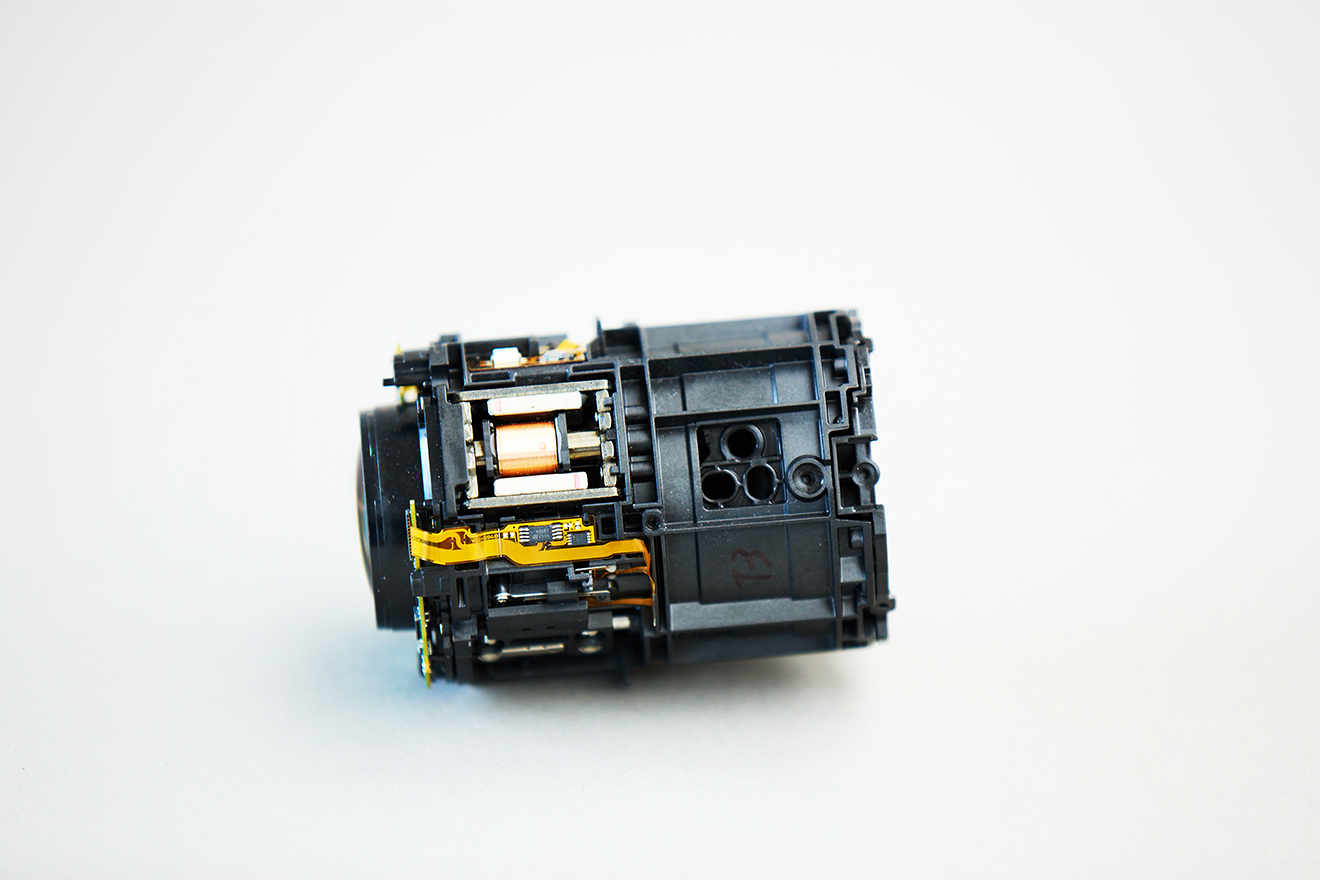
Internal structure
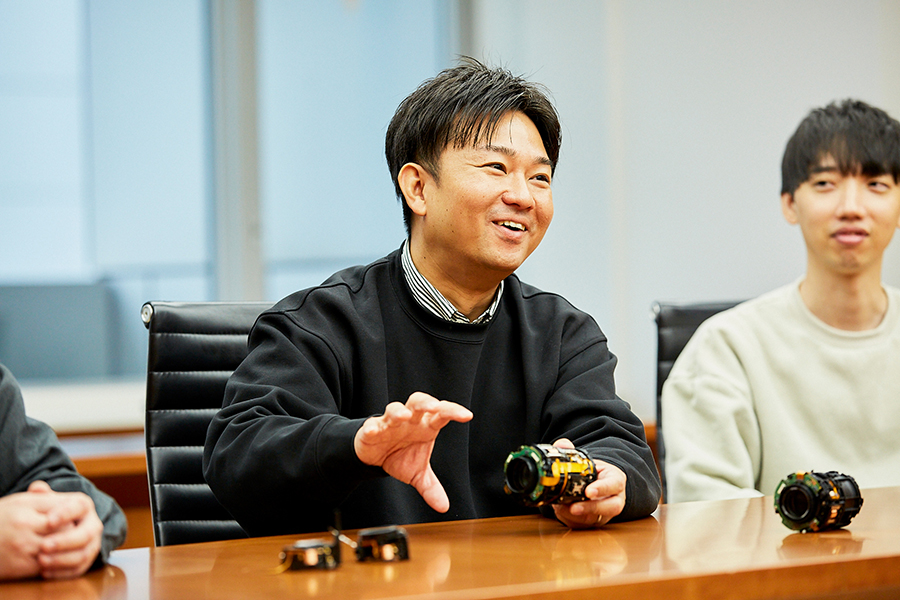
As a new product in the RF single-focus F1.4 L lens lineup, what considerations have been made for video recording with this lens?
Watanabe: We have worked to minimize focus breathing (changes in the angle of view during focusing) so that this lens can be used to shoot video clips as well as still photos. Focus breathing occurs when the angle of view changes as the focal position shifts during video shooting. We carefully designed the configuration of the focal lens group to minimize this shifting phenomenon. Specifically, compared to other lenses in the RF single-focus F1.4 L lens, we added one more lens element to the focal group and incorporated a GMo aspherical concave lens.
Due to the characteristics of lens construction design, there is often a tradeoff between improving optical performance and suppressing focus breathing. However, by carefully configuring the lens design of this model, we successfully achieved both high image quality and a reduction in focus breathing.
Saito: As more lenses are added to the focal lens group, the weight inevitably increases. This is where the skills of the electronics engineers and mechanical engineers come into play. VCMs are actuators that deliver high thrust yet operate with little noise or vibration, However, it takes a high degree of ingenuity to control their operation.
For instance, careful and precise tuning is needed to move heavy lens groups at high speeds and stop them abruptly, while still suppressing vibration. When recording movies, precise control is essential to limit drive noise to the absolute minimum. Canon was able to overcome these challenges by designing control algorithms and building the mechanical structures that make them possible.
What challenges did you encounter in the mechanical design?
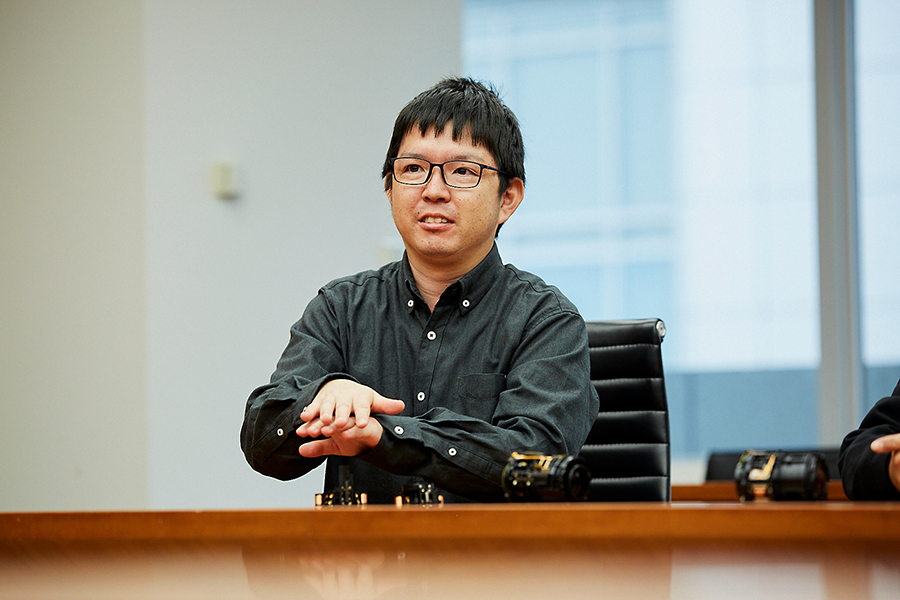
Nagaoka: Since the design of this lens is highly compact, the space available for internal structural components (also called the “main base”) is limited. Therefore, the most challenging part was to ensure that the framework had sufficient strength, while securing space for the actuators and flexible circuit boards. The RF14mm F1.4 L VCM is part of the L Lens series, so Canon wants it to perform under even the most demanding conditions. This was by no means a simple task.
To prevent dust and moisture from penetrating the body, we applied sealing material to any gaps between components that might “serve” as entry points for moisture or dust.

Lens development focused specifically on astronomy
What sparked your interest in stars and starscape photography?
Watanabe: I’ve been fascinated by stars since I was an elementary school student. My interest only deepened over time, leading me to major in astronomy at university. I even volunteered to spend my two-month summer holidays living and working at a small factory, where I helped to build a 50cm-aperture telescope that was being refurbished for the university.
I was also personally involved in developing equipment that would be attached to the Subaru Telescope in Hawaii. Through such rare opportunities, and by experiencing the joy of making things, I developed an interest not only in astronomy itself, but also in ways to capture images of celestial objects — optical systems like cameras and lenses.
In my university days, I enjoyed taking photos of the nighttime sky. In my spare time I would often take trips to famous overseas locations, specifically to take starscape photos of the site. The memory of those photo shoots is still vivid, to this day. At the time, I used an entry-level lens — the EF-S 10-22mm f/3.5-4.5 USM. Yet the photos I took, and the way they captured both the location and the starry sky, truly moved me. I couldn’t help but wonder how terrific those pictures would look if I had a large-aperture lens, like the RF14mm F1.4 L VCM.
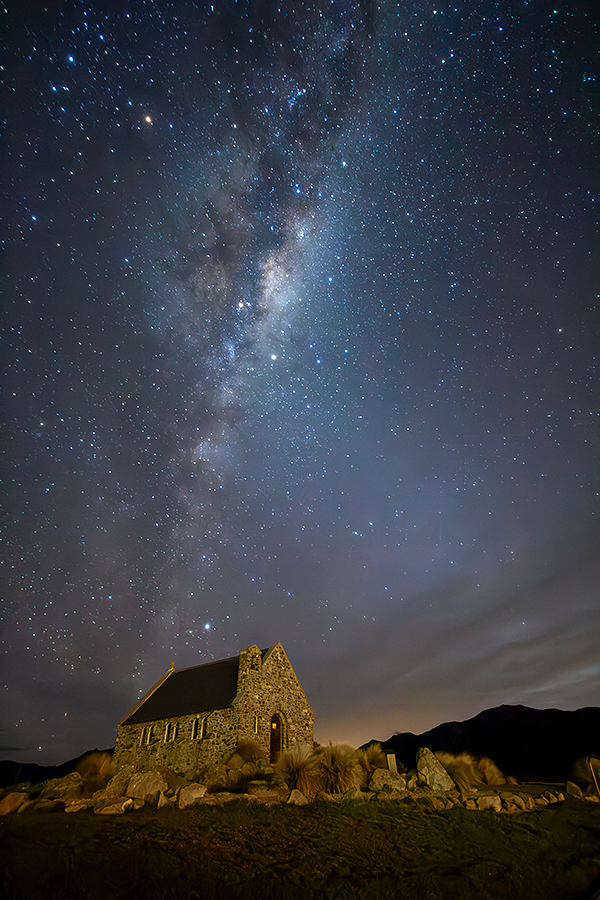
EOS 600D • EF-S 10-22mm f/3.5-4.5 USM • 10mm • ISO3200 • 30s • f/3.5

Did you have the chance to study optical design at university?
Watanabe: Since my undergraduate major was astronomy, I didn’t have many opportunities to study optics in depth. I was able to acquire some understanding of optics through my own private studies, but it was only very basic knowledge. It wasn’t until I joined Canon that I was able to begin a serious study of optical design. I acquired knowhow and learned a great deal from more experienced Canon engineers.
How did you become responsible for the optical design of the RF14mm F1.4 L VCM?
Watanabe: Canon’s method of assigning lens development personnel varies from product to product. The RF14mm F1.4 L VCM happened to be among the lens candidates under consideration at the time. So I spoke to my supervisor about volunteering, and ended up being assigned to take charge of the development of this lens. If I had not volunteered, I might have been assigned to design another lens, so I suppose I was lucky in my timing.
How did you approach the optical development of the RF14mm F1.4 L VCM?
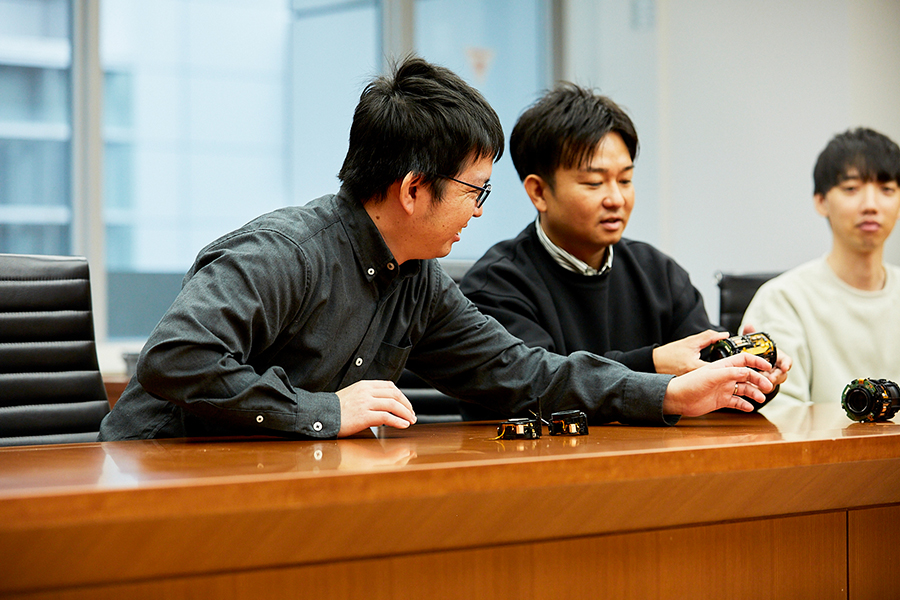
Watanabe: When I was asked to head up the project, I immediately set out to create the No. 1 lens for starscape photography. This lens was meticulously crafted with a lens design that balances various factors, including optical performance, but places a particular emphasis on capturing starscapes. We sought ways to absolutely minimize various types of aberration that affect image quality. The result is a lens that delivers sharp, precise images right to the edges of the picture.
Looking back, it’s a bit embarrassing, but I remember my introductory remarks at my first assignment after joining the company: I boldly declared that one day I was going to make “the perfect lens”. I secretly believe this RF14mm F1.4 L VCM just might be the one.
This RF 14mm F1.4 L VCM lens is the culmination of all my experience in the study of astronomy, and my desire to contribute to this field. I would be delighted if users of this lens develop an interest in astronomy and the universe, through starscape photography.
Transmitting the joy of starscape photography to photographers everywhere
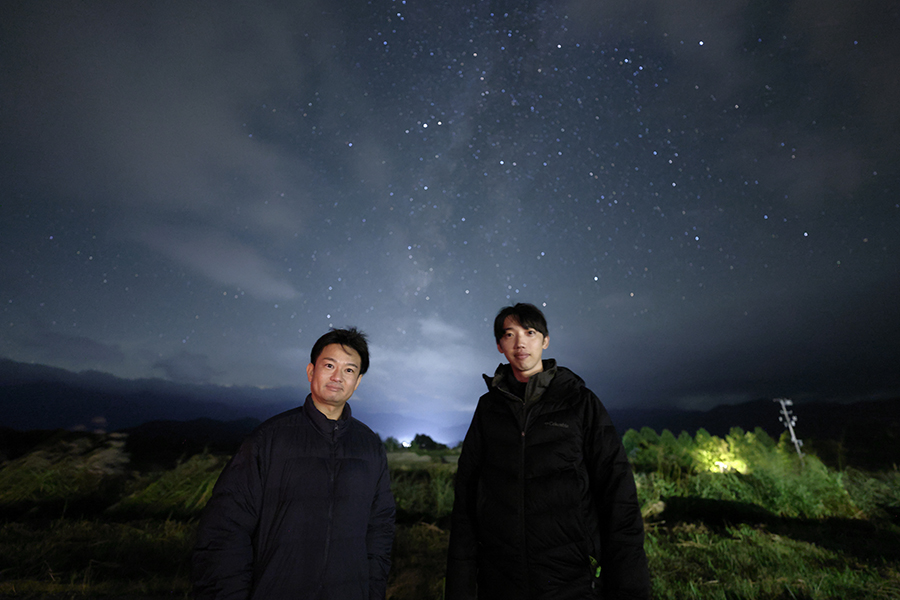
Mr. Saito, I heard that you joined the starscape photography test shoot with the RF14mm F1.4 L VCM lens.
Saito: That’s right. I had no prior experience photographing stars. But I was curious about how to shoot photos of astronomical objects, and I accompanied Mr. Watanabe to assist him on the test shoot. When he set up his camera on a tripod and began taking photos using autofocus, I was astonished.
Watanabe: The AF performance of latest cameras is excellent, and these cameras can capture stars in the night sky using autofocus. With ultra-wide-angle lenses, the stars appear small in the frame, so it is often difficult to manually achieve precise focus. However, autofocus makes this much easier.
Saito: He immediately started taking photos, adjusting the composition and exposure on the live-view screen, and snapping away. Back in the SLR days, I don’t think that it was this easy to capture good photos of a starry sky.
I wish more people knew how easy it is to capture starry nightscapes with today’s mirrorless cameras and AF lenses. The bright RF14mm F1.4 L VCM lens, in particular, is the ideal choice for beginners venturing into starscape photography.
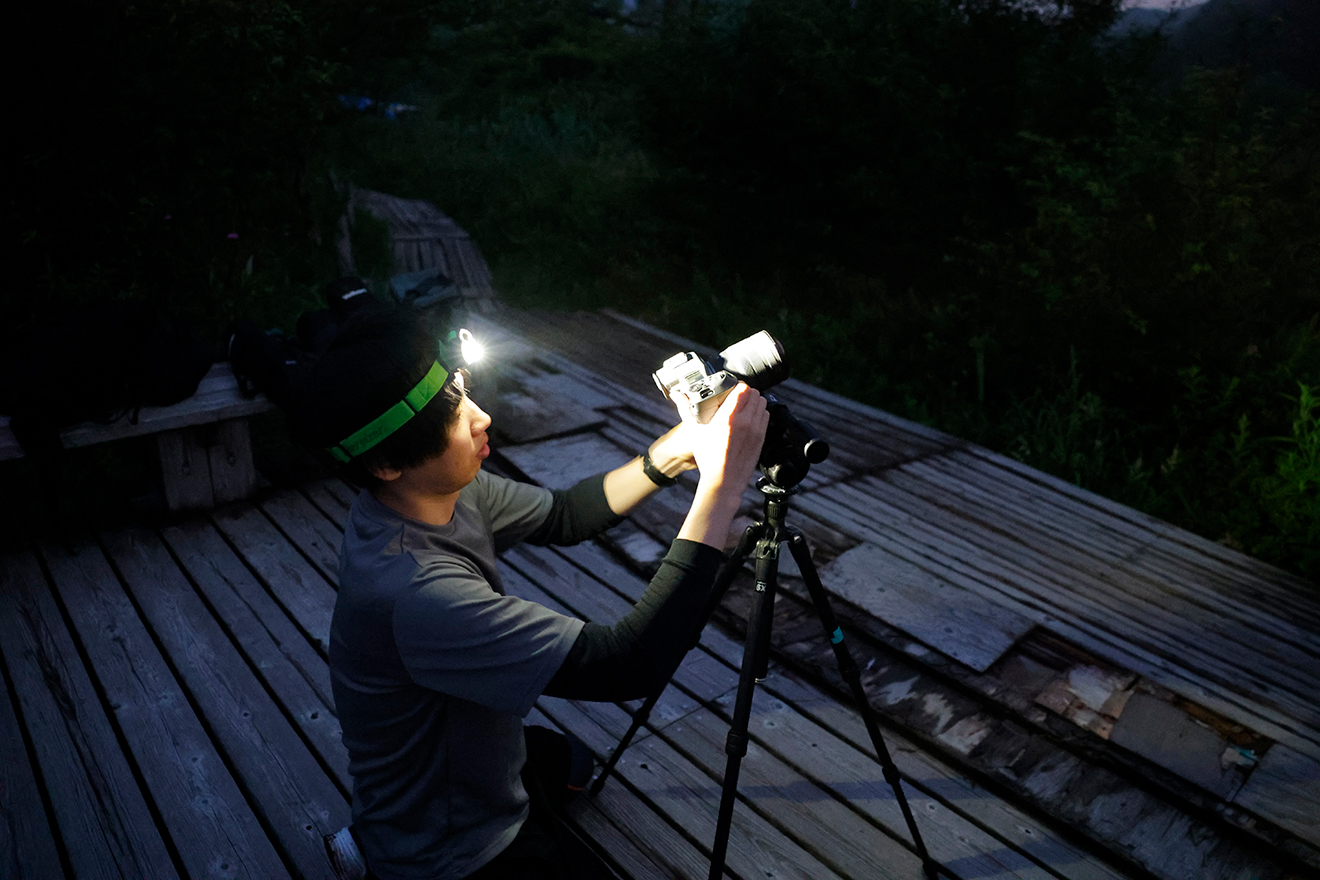
Settings prior to image shooting
What should users know about starscape photography before they start to take their own photos of the stars?
Watanabe: The first principle of starscape photography is to shoot your photos in RAW format. While JPEGs can produce reasonably good results, conditions like cloud shading and sky brightness vary from night to night. Shooting in RAW format allows you to adjust the color temperature and brightness balance during development, and apply noise reduction as needed. This helps you to produce beautiful starscapes.
Selecting the shutter speed is also a key factor. With a 14mm lens, the exposure time must be shorter than 15 seconds to capture stars as points rather than streaks of light. Since the aperture is fully open and the shutter speed is fixed at 5 to 15 seconds, exposure has to be adjusted via ISO sensitivity. In general, the smaller the maximum aperture of the lens (lower F-value), the brighter the lens. A bright lens, which allows for a lower ISO setting, is absolutely essential.
The RF14mm F1.4 L VCM allows a sheet-type filter to be attached at the rear of the lens. When I take starscape photos, I cut a commercially available sheet-type soft filter to fit the holder and inserted it into the rear mount filter holder. Soft filters cause the brighter stars to stand out more, thus making the shapes of constellations more recognizable.

Rear Gelatin Filter
What kind of starscape photos would you recommend taking?
Watanabe: Most people taking starscape photos start off by trying to capture the Milky Way. Indeed, the expanse of the Milky Way across the summer sky makes for a superb subject. With a 14mm ultra-wide-angle lens, you can fill the frame with the Milky Way while including features of the landscape below. One reason a 14mm lens is best for starscape photography is because it offers the wide angle of view sufficient to capture the expansive Milky Way within the frame of your photo.
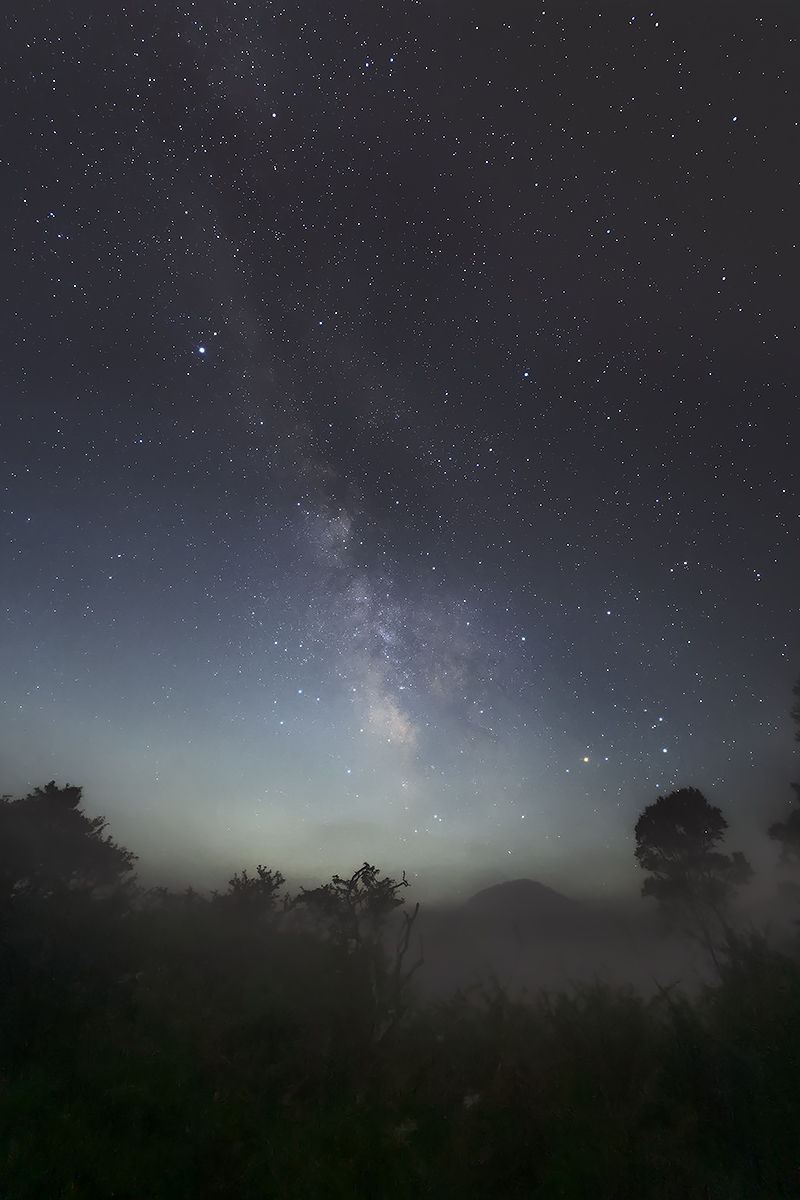
EOS R5 • RF14mm F1.4 L VCM • ISO6400 • 10s • f/1.4
Soft filter used. Image adjustments made through Digital Photo Professional.
Are there any other RF lenses that you would recommend for starscape photography?
Watanabe: During the test shoot, we also tried out the new RF7-14mm F2.8-3.5 L FISHEYE STM and RF16-28mm F2.8 IS STM lenses. These lenses are also suitable for starscape photography.
The RF7-14mm F2.8-3.5 L FISHEYE STM enables full-circle fisheye and diagonal fisheye photography, for the sort of grandiose images that fully utilize the wide angle of view.
At the 7mm end of the zoom range, its coverage exceeds a full-circle fisheye range, with a 190° angle of view. This compares with the roughly 180° angle covered by the EF 8-15mm f/4L Fisheye USM. It also offers a brighter maximum aperture of f/2.8 (versus f/4). This allows you to capture the full night sky, from horizon to horizon, while depicting objects on the ground more brightly than ever before.
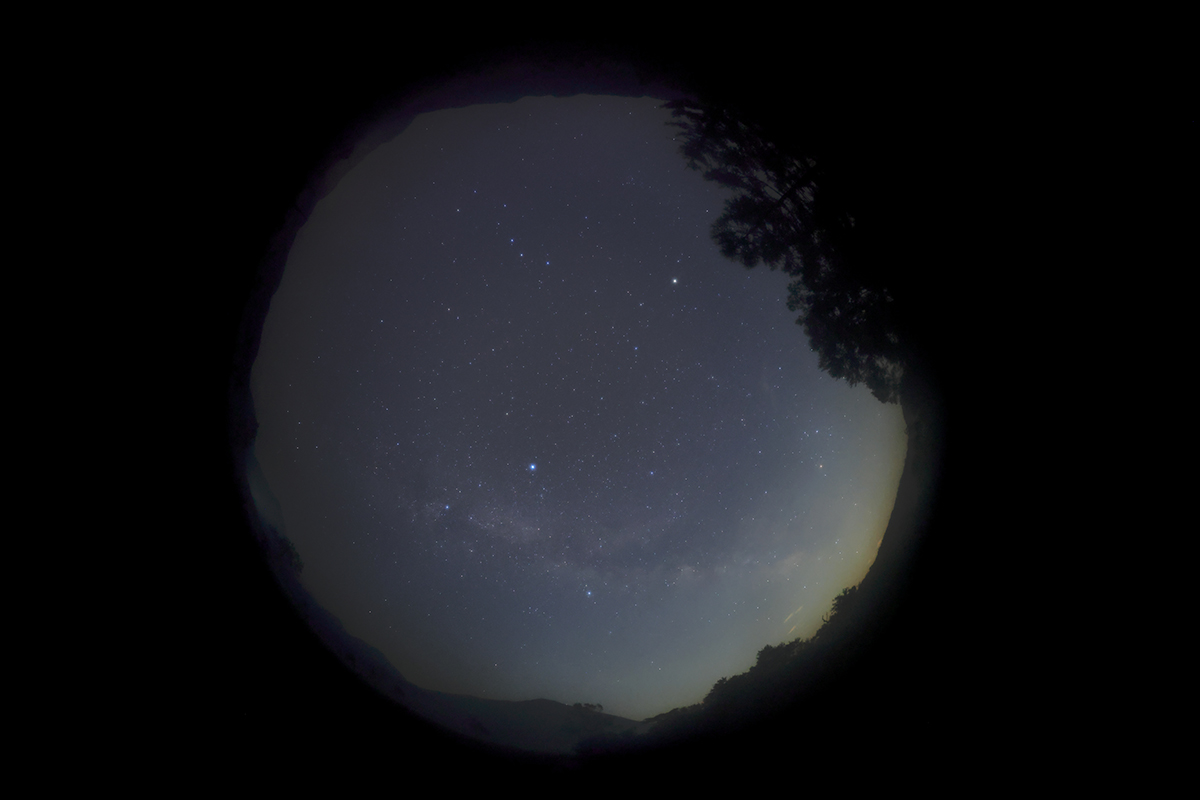
EOS R5 Mark II • RF7-14mm F2.8-3.5 L FISHEYE STM • 7mm • ISO6400 • 15s • f/2.8
Soft filter used. Image adjustments made through Digital Photo Professional.
The RF16-28mm F2.8 IS STM is a wide-angle zoom lens designed specifically to be compact in size and weight. Yet it boasts a bright f/2.8 maximum aperture. Its easy handling and the ability to change the viewing angle make it an ideal lens for capturing starscapes, even while walking around without a tripod.
Other RF Prime F1.4 L lenses — such the RF20mm F1.4 L VCM and RF24mm F1.4 L VCM lenses — also offer unique ways to compose pictures of the night sky, based on their specific angles of view. We highly recommend that starscape photographers try them out, as well.
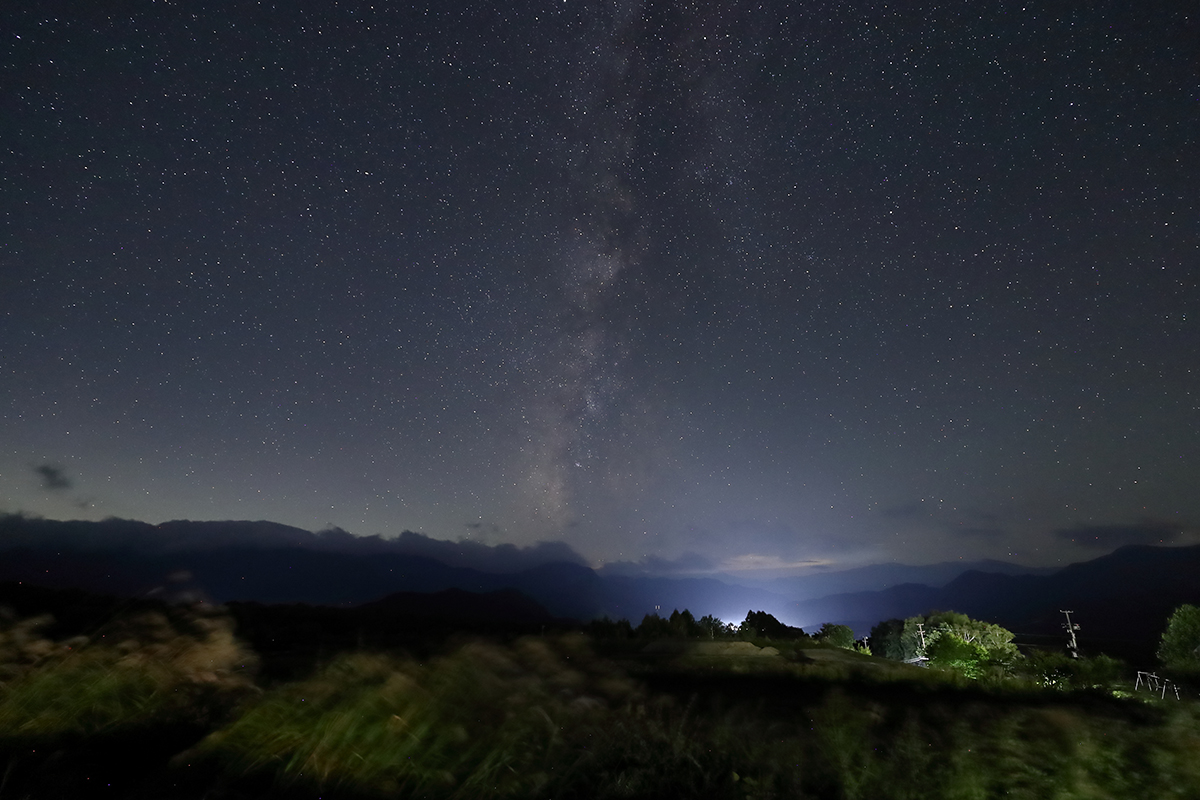
EOS RP • RF16-28mm F2.8 IS STM • 17mm • ISO3200 • 13.7s • f/2.8
Soft filter used. Image adjustments made through Digital Photo Professional.
Developing lenses for a new type of image-shooting experience

What sort of lenses would you like to develop in future?
Watanabe: We aim to develop lenses that allow photographers to enter new realms of expression not previously accessible. This “expansion of photographic horizons” matches the product development philosophy of Canon. We seek to expand the range of shooting opportunities by making use of the latest technologies to create lenses that are smaller and lighter — lenses that deliver outstanding performance without the weight and bulk that might discourage users to carrying them. We are certain that the RF14mm F1.4 L VCM will be one such lens.
Nagaoka: We want to develop lenses that will amaze users. As a mechanical engineer, I’ll continue to focus particularly on achieving lightweight designs.
As for operability, I believe there still are areas that require our attention. I hope to contribute to developing more user-friendly lenses by listening to feedback from users.
Saito: These days, many people take photos with their smartphones. But I’d like more people to discover just how amazing photography can be when shooting with a mirrorless camera and interchangeable lenses.
Our mission as developers is to deliver exceptional imaging performance with L lenses that meet the expectations of users.
We want to incorporate the technologies cultivated in our development of the L lens series into an even wider range of Canon lenses. Our goal is to ensure that even Canon’s more affordable, compact lenses offer a shooting experience that competes with that of higher-end models.
We want to develop high-performance lenses at an affordable price that will tempt entry-level users to upgrade to higher and higher quality lenses.